


Search Engine Marketing Services
In-Depth Overview of Search Engine Marketing Services and Best Practices
Companies trying to boost their online presence and generate traffic to their websites depend on search engine marketing (SEM) services. SEM uses both paid and natural approaches to improve search engine prominence of a brand. This post will go over several facets of SEM, including its advantages, operation, and some useful tips to maximize these services.
What is Search Engine Marketing Services?
Search engine marketing firms use sponsored advertising to raise websites’ exposure on search engine results pages (SERRs). This can call for retargeting, display, and pay-per- click (PPC) adverts. While search engine optimization (SEO) emphasizes on raising natural search results, SEM is not like that.
Advantages of search engine marketing tools
- Enhanced Targeting: SEM tools allow for precise audience targeting based on factors such as keywords, location, and demographics, ensuring your ads reach the most relevant potential customers.
- Data-Driven Insights: They provide detailed analytics and performance metrics, helping you understand what works and what doesn’t, allowing for data-driven decisions and optimized campaigns.
- Cost Efficiency: By monitoring and adjusting bids, budgets, and ad placements in real-time, SEM tools help you maximize your advertising spend and improve your return on investment (ROI).
- Competitive Analysis: These tools offer insights into competitor strategies, allowing you to identify opportunities and adjust your approach to stay ahead in the market.
- Improved Ad Management: SEM tools streamline the process of creating, managing, and optimizing ad campaigns, saving time and ensuring consistent performance across various platforms.
How Services Based on Search Engine Marketing Work
Services based on search engine marketing (SEM) work by utilizing various strategies and tools to increase a website’s visibility and attract targeted traffic through search engines. Here’s a breakdown of how these services typically function:
- Keyword Research: SEM services start with identifying relevant keywords that potential customers are likely to use when searching for your products or services. This involves analyzing search volume, competition, and relevance to ensure effective targeting.
- Campaign Strategy: Based on the keyword research, a comprehensive SEM strategy is developed. This includes deciding on ad formats, crafting compelling ad copy, and selecting appropriate landing pages to drive traffic and conversions.
- Ad Creation and Management: SEM services involve creating and managing ads across search engines (like Google Ads or Bing Ads). This includes writing engaging ad text, designing visuals if needed, and setting up ad groups and campaigns.
- Bid Management: These services handle bidding strategies to ensure that ads appear in the most competitive positions while managing costs. This may involve setting manual or automated bids and adjusting them based on performance.
- Performance Monitoring and Optimization: SEM providers continuously monitor campaign performance using analytics tools. They analyze metrics such as click-through rates (CTR), conversion rates, and return on ad spend (ROAS) to make data-driven adjustments and optimize campaigns for better results.
- Reporting and Analysis: Regular reports are generated to track the effectiveness of SEM campaigns. These reports provide insights into key performance indicators (KPIs) and help in understanding the ROI of your SEM efforts.
Perfect SEM Hacks
Apply negative keywords.
Negative keywords stop your adverts from showing for pointless searches. This lets you aim just for the most pertinent audience and save money. For example, you might use “cheap” as a negative phrase if you market upscale furniture.
A/B Tests
A/B testing is producing several variations of your adverts to find which performs better. To best maximize your ads, test several headlines, CTAs, and ad copy.
Apply Ad Extensions
Ad extensions offer links to particular pages on your website, phone numbers, and location among other things. They raise your click-through rate (CTR) and help your adverts to be more educational.
Track and Change
Review your ad performance often and alter as needed. To increase your ROI, this covers changing keywords, altering ad wording, and changing bids.
Landing Page's Value
Convert ad clicks into consumers using a well-designed landing page. Make sure your landing page loads fast, is pertinent to the ad, and features a clear CTA. Unbounce claims a decent landing page may boost conversions by up to 300%.
Alza Techs: Superior SEO Services for Lasting Results
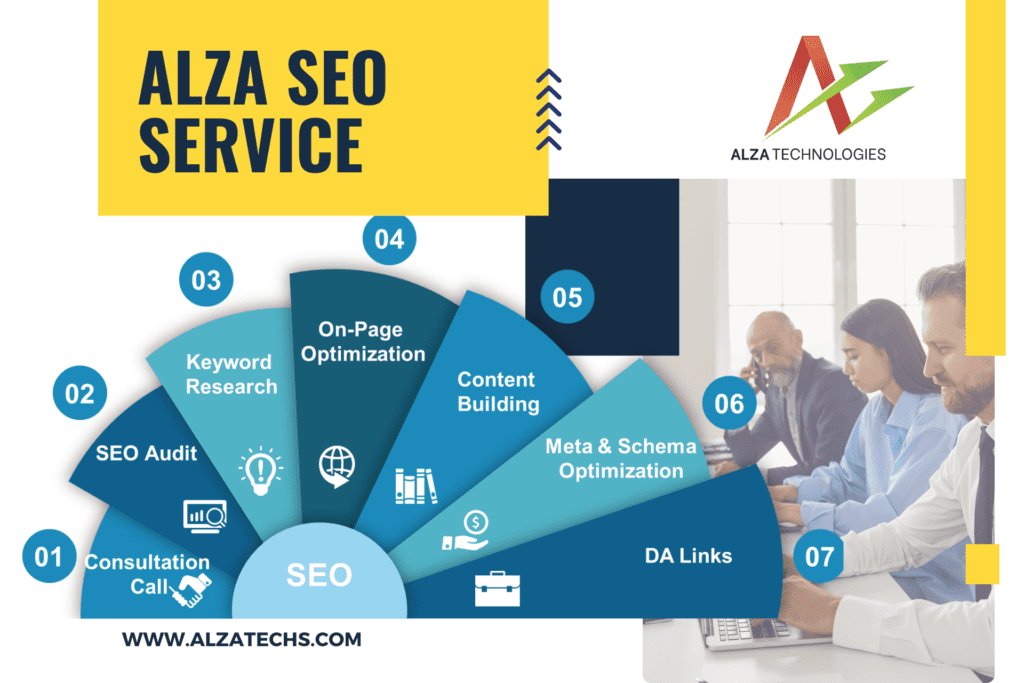
Comparatively, which is better— SEM or SEO?
Choosing between SEM and SEO depends on your objectives and resources. SEM offers immediate results and highly targeted traffic through paid ads, making it ideal for short-term goals and rapid visibility. However, it requires ongoing investment. SEO, on the other hand, focuses on organic search rankings, providing long-term benefits and credibility at a lower ongoing cost. While SEO takes time to yield results, it builds a sustainable foundation for future growth. Ideally, combining both strategies can optimize both immediate and long-term success.
Case studies: Effective SEM Campaigns
Amazon, for instance:
Amazon promotes their products largely using SEM. Targeting high- Intent keywords and applying A/B testing has helped Amazon’s PPC advertisements to be rather successful.
For instance, Airbnb targets particular sites and markets using SEM. Their approach consists in employing ad extensions to improve user experience and offer more information.
Examining SEM Success
Emphasize important indicators like CTR, conversion rate, and cost per conversion to gauge the effectiveness of your SEM efforts. Tools like SEMrush and Google Analytics can offer thorough understanding of how your campaign is running.
Conclusion
Businesses trying to boost their online presence and generate traffic may find great use for search engine marketing services. Understanding SEM’s principles and applying sensible plans can help you to get notable results. To guarantee best performance, keep watching and changing your campaigns. SEM may revolutionize your company with the correct strategy.
What is search engine concept?
The search engine concept revolves around providing users with relevant information based on their queries. Search engines like Google or Bing use complex algorithms to index and rank web pages according to their relevance and authority. When a user enters a search term, the search engine retrieves and displays the most pertinent results, aiming to deliver the best answers to the user's query. This process involves crawling websites, indexing content, and applying ranking criteria to ensure users receive accurate and useful information quickly.
Is Amazon a Search Engine?
Amazon is not primarily a search engine marketing platform but rather an e-commerce giant with its own advertising solutions. However, it operates a powerful search engine within its platform that helps users find products. Amazon’s advertising services, such as Sponsored Products and Sponsored Brands, function similarly to search engine marketing (SEM) by allowing sellers to bid on keywords to promote their products and increase visibility. This internal search engine marketing helps drive targeted traffic and boosts sales on the Amazon marketplace.